I will remember the deeds of the Lord, yes I will remember your wonders of old .

The Parable of the Rich Man and Lazarus: A Lesson in Compassion and Consequences
2/7/20267 min read
Introduction to the Parable
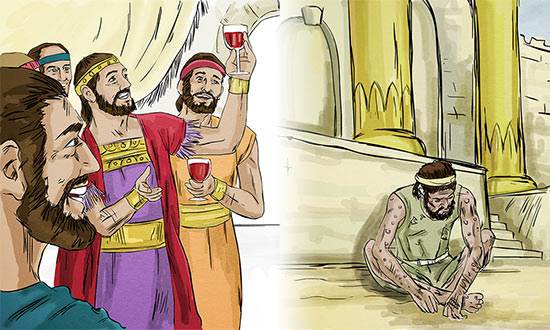
The Parable of the Rich Man and Lazarus, as found in Luke 16:19-31, offers profound insights into the dynamics of wealth, poverty, and moral responsibility. This biblical narrative unfolds with a stark contrast between two characters: a wealthy man, often referred to as Dives, who lives in luxury, and Lazarus, a poor beggar, who is in a destitute state at the rich man's gate. The story begins by establishing their respective conditions, highlighting how the rich man indulges in a life of opulence while Lazarus suffers greatly, longing for scraps that fall from the rich man's table.
This parable serves a crucial role within biblical teachings, as it addresses themes that resonate throughout scripture: the transient nature of earthly wealth and the importance of compassion. It underscores the moral instruction that wealth is not merely a blessing to be enjoyed but a responsibility to be shared. The parable further illustrates the consequences of neglecting those in need, ultimately culminating in a dramatic twist that reveals the fate of both characters after death. The rich man finds himself in torment, begging for relief, while Lazarus, comforted in the bosom of Abraham, represents those who have been overlooked in life.
In its essence, the parable is a poignant reminder of the ethical obligations that wealth brings, emphasizing the need for empathy towards the less fortunate. It challenges readers to reflect on their own societal positions and the treatment they afford to those struggling in poverty. As such, this narrative not only commands attention due to its vivid character contrasts and afterlife consequences but also serves as a timeless call for charitable behavior and moral accountability.
Character Analysis: The Rich Man and Lazarus
The parable of the Rich Man and Lazarus presents two markedly different characters whose lives serve as a lens to examine human nature and societal behavior. The rich man, characterized by his extravagant lifestyle, embodies the archetype of affluence coupled with indifference. He is depicted as someone who was clad in fine clothes and dined sumptuously every day, oblivious to the suffering surrounding him. His wealth provides him with comfort and status, yet it simultaneously generates a detachment from the plight of the less fortunate. This indifference towards Lazarus, a beggar who lay at his gate, illustrates a stark moral failing. In essence, the rich man represents those in society who, despite their material abundance, choose to ignore the needs of others and become insulated by their privilege.
In contrast, Lazarus presents a figure of humility and suffering. He is described as being poor, covered in sores, and longing for even the crumbs that fell from the rich man’s table. Lazarus’s existence is marked by desolation, yet he is rich in qualities that the wealthy man lacks: compassion, empathy, and resilience in the face of adversity. His humble position speaks volumes about societal neglect and the harsh realities faced by the underprivileged. Lazarus symbolizes the marginalized in society, often overlooked and considered invisible by those who are affluent. Additionally, through his character, the parable addresses issues of justice and mercy, emphasizing that true wealth lies not in material possessions but in kindness and compassion.
The contrasting lives of the rich man and Lazarus serve as a powerful commentary on the responsibilities that come with wealth and the societal obligation to care for the less fortunate. Their stories urge a reflection on our own lives and the choices we make regarding how we treat others, especially the vulnerable members of our communities.
The Afterlife: Heaven and Hell Explained
The parable of the Rich Man and Lazarus, found in the Gospel of Luke (16:19-31), provides a profound exploration of the afterlife, vividly illustrating the contrasting fates awaiting individuals based on their earthly choices. In this narrative, Lazarus, a poor and suffering man, is ultimately welcomed into Abraham's bosom, representing a place of comfort and divine favor in heaven. Conversely, the rich man, who lived a life of excess and ignored the plight of Lazarus, finds himself in torment in hell, a state of despair and regret.
The depictions of heaven and hell in this parable carry significant theological implications. Lazarus’s reception in heaven serves as a testament to the belief that God values compassion, humility, and righteousness over material wealth. The rich man's suffering in hell reflects the consequences of a life devoid of empathy and social responsibility. This stark contrast not only emphasizes the moral lessons inherent in the story but also aligns with the broader biblical narrative that frequently underscores the themes of justice and mercy.
The Role of Abraham
In the parable of the rich man and Lazarus, Abraham's presence serves as a pivotal component in the narrative, illustrating themes of justice and divine authority. Abraham, the patriarch of the Israelite people, occupies a unique position that delineates the boundary between earthly existence and the afterlife, embodying the promise of salvation for the faithful. His interactions with both the rich man and Lazarus provide critical insights into the consequences of one's earthly choices and the fulfillment of God's promises.
In the parable, the rich man, after suffering in torment, calls out to Abraham for relief, indicating that he recognizes Abraham as a figure of authority. Abraham's response to the rich man underlines the concept of divine justice. He reminds the rich man of his previous life filled with comfort while Lazarus suffered at his gate. This interaction signifies not only a moral reckoning but also underscores the belief that earthly actions have lasting consequences that resonate in the afterlife. Abraham's unwavering position illustrates that the fulfillment of God’s promises is conditional upon the righteousness of individuals.
Moreover, Abraham's role extends beyond mere judgment; he acts as a mediator between the two realms. His mention of a chasm that separates the rich man from Lazarus illustrates the irrevocable nature of divine judgment. The chasm symbolizes the ultimate consequences of one's moral choices, reinforcing that the commandments of God are not to be disregarded. Abraham’s responses reflect the divine authority vested in him as a patriarch and a representative of God, embodying the notion that true justice prevails and that the faithful will receive their due reward. Through Abraham, the parable conveys the importance of compassion, urging believers to reflect on their earthly lives in light of eternal implications.
Lessons on Generosity and Responsibility
The parable of the Rich Man and Lazarus presents compelling lessons about generosity and responsibility, particularly emphasizing the moral obligation of those with wealth towards the less fortunate. The stark contrast between the lavish lifestyle of the rich man and the suffering of Lazarus serves as a powerful reminder that material possessions come with a responsibility to contribute positively to society. This narrative encourages individuals to reflect on their wealth and the roles they play in their communities.
In contemporary society, where economic disparity is prominent, the lessons from this parable hold even greater significance. The rich man, despite his abundance, showed a glaring lack of compassion and awareness of the suffering that lay at his doorstep. This character trait is not entirely absent in today's world, as many individuals often overlook the plight of those in need while being wrapped in their own affluence. Thus, the parable challenges us to adopt a mindset of generosity and to actively seek ways of assisting those who are less fortunate.
Moreover, the notion of responsibility extends beyond financial contributions. It encompasses the act of advocating for social justice, supporting charitable organizations, and participating in community service efforts. Individuals can embody this principle by making consistent efforts to share resources, both material and non-material, with those who require assistance. The lessons derived from Lazarus’s plight urge us to confront our own attitudes towards wealth and charity, compelling us to question how we can each take part in fostering a culture of compassion.
Ultimately, the parable not only highlights the necessity of generosity but also encourages a collective responsibility towards addressing societal inequities. By reflecting on our commitments and actions in relation to wealth distribution, we can cultivate a more empathetic society that honors the dignity and needs of every individual.
The Importance of Listening to Scripture
In the parable of the Rich Man and Lazarus, the pivotal moment arises when Abraham underscores the importance of heeding the words of Moses and the prophets. This statement highlights not only the significant role of scriptural teachings in guiding human behavior but also the moral responsibilities inherent in understanding and living by these principles. The parable serves as a cautionary tale about the consequences of ignoring divine instructions, which can lead to dire spiritual outcomes, as exemplified by the fate of the rich man.
Scripture is intended as a moral compass for individuals, guiding them toward a life of compassion and ethical living. It conveys fundamental lessons on generosity, humility, and kindness, urging believers to recognize the dignity in every person, particularly the marginalized, as represented by Lazarus. In actively engaging with biblical teachings, one can cultivate the virtues necessary to foster a more equitable society. Ignoring such guidance not only distances individuals from virtuous living but also opens them to negative consequences, akin to those faced by the rich man.
Moreover, the teachings found in Scripture are not mere historical records; they embody timeless truths that resonate through the ages. They implore followers to reflect on their actions and their impact on others. For instance, the notion of caring for the less fortunate, which is repeatedly emphasized in both the Old and New Testaments, serves as a reminder that material wealth is not the ultimate measure of a person's value. Instead, true worth is found in acts of love and compassion toward others. By adhering to these spiritual messages, individuals may find guidance to navigate life's challenges and ethical dilemmas, ensuring they do not share the tragic fate of the rich man.
Conclusion: Reflection and Application
The Parable of the Rich Man and Lazarus presents profound teachings that resonate throughout time, urging individuals to reflect on their own lives and values. At its core, this narrative highlights the stark contrast between wealth and poverty, privilege and suffering. The rich man’s indifference towards Lazarus serves as a cautionary tale that calls into question our responsibility towards those less fortunate. It invites us to assess how we utilize our resources and wealth. Are we hoarding our abundance, or are we extending a hand to those in need?
One of the critical lessons from the parable is the significance of compassion. It teaches us that our actions, irrespective of our economic status, define our character and impact our eternal destiny. The rich man, although living in comfort, faced dire consequences due to his neglect of Lazarus, whose suffering he ignored. This serves as a powerful reminder that life’s true value is measured not by wealth accumulation, but by our willingness to engage with the world’s pain.
Moreover, the story compels us to consider the implications of our choices and attitudes towards wealth. Each of us holds the power to alleviate suffering, whether through acts of kindness, charitable giving, or simply by raising awareness about the hardships faced by marginalized communities. As stewards of our resources, we are called to create an inclusive society where compassion reigns supreme.
In conclusion, the parable encourages thoughtful self-examination. It prompts us to align our actions with our values and to actively seek ways to contribute positively to the lives of others. By embodying these lessons, we not only honor the memory of Lazarus but also enrich our own lives with purpose and empathy.