I will remember the deeds of the Lord, yes I will remember your wonders of old .

A Day of Renewal: The Significance of the Confirmation Ceremony
5/4/20267 min read
Introduction to the Confirmation Ceremony
The confirmation ceremony holds a significant place within the Christian faith, symbolizing a deepening of commitment to God and the church community. This rite of passage allows individuals, often adolescents, to publicly affirm their baptismal promises and choose to embrace their faith consciously and willingly. The ceremony is not merely a formal obligation; instead, it is a profound spiritual moment that fosters growth in personal belief and community belonging.
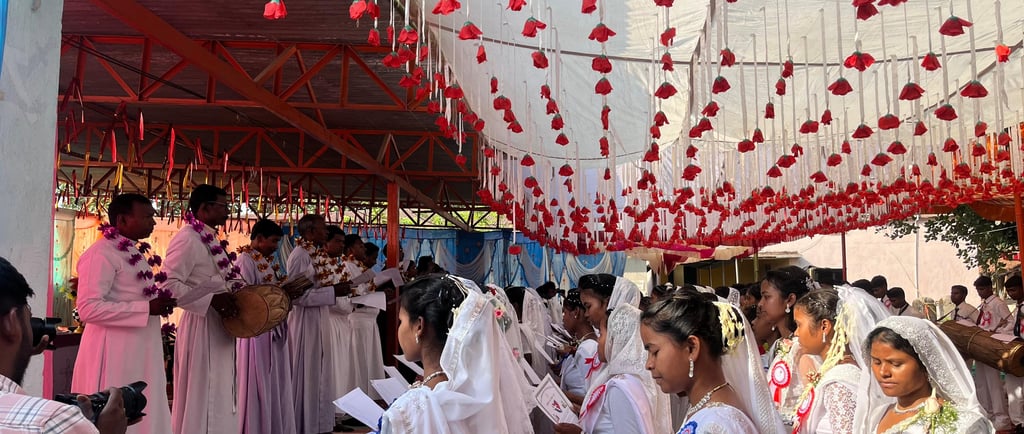
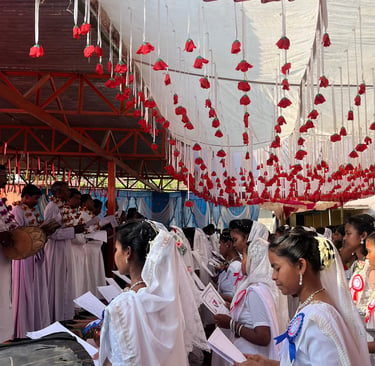
Typically, the confirmation ceremony involves a series of preparatory classes that educate participants on various aspects of Christian doctrine, church history, and the sacraments. Through this preparation, candidates engage in discussions about their faith, enhancing their understanding and connection to the teachings of Christianity. One of the most anticipated aspects of the event is the gathering of approximately 130 boys and girls, each brought together by their shared faith and enthusiasm for this important milestone in their spiritual journey.
The timing of the confirmation ceremony often coincides with beautiful summer mornings, which add a distinctive charm to this celebratory day. The warmth of the sun and the vibrancy of nature evoke a sense of joy and renewal, mirroring the transformative experience that the ceremony represents. As each candidate steps forward to receive confirmation, they do so with a sense of excitement, supported by family, friends, and their wider church community. This day stands not only as a personal milestone but also as a communal celebration of faith, growth, and renewed commitment.
The Excitement of the Participants
The Confirmation ceremony is a pivotal moment in the lives of young participants, marking a significant milestone in their spiritual journey. The lead-up to this important day is often filled with a unique blend of emotions including joy, anticipation, and a sense of solemn responsibility. Many young individuals look forward to this occasion with enthusiasm, excited about the opportunity to affirm their faith publicly.
As the confirmation date approaches, participants engage in preparation sessions that further heighten their emotional state. These sessions often include discussions about their faith, the meaning of the sacrament, and what it represents in their lives. Through these interactions, young confirmands develop a deeper understanding of their beliefs, fostering a sense of confidence that contributes to the overall excitement of the day.
On the day of the Confirmation, the atmosphere is charged with anticipation. Youngsters often arrive adorned in their finest attire, reflecting their readiness to take this significant step. The joyous noise of laughter and conversation fills the air as families and friends gather to support these young individuals. The feeling of comradery among participants enhances their excitement; many of them share this experience with close friends, amplifying their emotions as they face this transformative moment together.
Moreover, the weight of the day's significance does not escape them. Participants are acutely aware that this ceremony represents not only a rite of passage but also a commitment to their faith and community. This acknowledgment adds a layer of seriousness to their joy, making the experience even more profound. This blend of joy and responsibility ultimately creates a memorable atmosphere, marking a day of renewal and spiritual awakening for all involved.
The Spiritual Importance of Confirmation
The ceremony of confirmation holds profound spiritual significance within the Christian community, marking a pivotal moment in the lives of young believers. This sacred act symbolizes a personal, conscious commitment to faith and an affirmation of the baptisms received in infancy. Confirmation serves as a rite of passage, transitioning individuals from childhood to adulthood in the church, empowering them to take on more responsibilities within the Christian community.
Through confirmation, individuals affirm their belief in Christ and the teachings of the Church, thereby embracing the journey of spiritual growth and maturity. It is an occasion that marks the moment when candidates publicly declare their intentions to live according to their faith, reinforcing their personal relationship with God. This commitment is not merely about individual belief but emphasizes accountability and involvement within the larger church community.
The laying on of hands by the bishop during the confirmation rite symbolizes the bestowal of the Holy Spirit, equipping the confirmands with spiritual gifts necessary for their faith journey. This act is seen as a divine endorsement, calling upon the Holy Spirit to guide them in their lives. As they receive the sacrament, confirmands are reminded of their responsibility to live as active members of the Christian faith, engaging with the teachings of Jesus and embodying the principles of love, service, and compassion.
Ultimately, the confirmation ceremony is not just a milestone to be celebrated; it represents a lifelong commitment to spiritual development and active participation in the faith. Candidates return to their communities inspired to embrace their new role, contributing positively and consciously to the mission of the Church. This day signifies not only personal affirmation but also a strengthened communal bond, as the congregations together witness the reaffirmation of faith among their young members.
Location: G.E.L Church Bongram, Jharkhand
The G.E.L Church in Bongram, Jharkhand, serves as a picturesque setting for the Confirmation Ceremony, deeply rooted in religious significance. Nestled within the tranquil environment of this region, the church embodies a space where community bonding and spiritual growth are seamlessly intertwined. The serene atmosphere of the church complex offers a reflective backdrop for participants, fostering an ambiance conducive to learning and personal development.
This church is not just a place of worship but also a hub for various religious and community activities, making it an ideal location for events such as the Confirmation Ceremony. The serene surroundings allow participants to immerse themselves in the experience, facilitating meaningful connections with both their faith and their peers. As attendees gather, they are enveloped by the harmonious grounds that encourage contemplation and fellowship among families and friends.
The camp environment here is designed to engage participants of all ages, promoting an inclusive atmosphere that nurtures questions about faith and personal beliefs. Workshops and sessions led by seasoned mentors and clergy enable attendees to explore the tenets of Christianity more deeply, aiding them in their spiritual journey. This interaction not only enhances the educational aspect of the ceremony but also strengthens community ties as individuals share their experiences and growth.
In essence, G.E.L Church Bongram serves as more than just a venue; it is a place where faith meets community. Through the beauty of its location and the warmth of its congregation, the church amplifies the essence of the Confirmation Ceremony, making it a significant milestone in the spiritual lives of the participants.
Learning the Histories and Rituals
The Confirmation Ceremony holds profound significance within the Lutheran community, serving as a milestone that marks a deeper commitment to faith among young members. This pivotal experience is enhanced by educational sessions that focus on the rich history of Lutheranism, along with the various rituals that shape its traditions. At camp, participants delve into the foundational principles of their faith, exploring themes such as grace, forgiveness, and the importance of community.
One of the primary objectives of the camp is to educate attendees about the origins of the Lutheran faith, tracing back to Martin Luther's pivotal role in the Reformation. Through engaging discussions and interactive activities, boys and girls learn about the principles that influenced the development of Lutheran doctrines. This historical context enhances their understanding of why these rituals are performed and what they signify. Activities may include storytelling sessions that recount notable figures and events in church history, allowing campers to connect personally with their past.
In addition to historical teachings, the camp places a strong emphasis on the rituals associated with the confirmation process. Participants engage in hands-on learning about the significance of baptism, communion, and other sacraments central to Lutheran beliefs. By participating in reenactments and reflective practices, campers gain firsthand experience of the rituals they will soon formally embrace. These educational components help solidify the campers' connection to their faith, fostering a sense of belonging and commitment to the Lutheran community.
Ultimately, the combination of history and ritual education at the camp serves to prepare young individuals for their confirmation journey. By immersing themselves in these teachings, they not only deepen their understanding of Lutheranism but also cultivate a lifelong appreciation for their faith.
Living as a Christ Child: Lessons Learned
The journey of faith is profoundly enriched through the Confirmation ceremony, which serves not only as a rite of passage but as a pivotal moment for learning and growth as a 'Christ child.' This transformation encompasses a deep understanding of core values such as love, humility, and service. Each participant in this sacred ritual comes away with lessons that shape their daily living and future endeavors.
At the heart of living as a Christ child is the principle of love. This encompasses not only love for God but also for others in our community. As participants learn about Christ's unconditional love, they are encouraged to embody this sentiment in their daily interactions. Practicing kindness, compassion, and empathy forms a crucial part of their ethos, guiding their decisions and behavior. Engaging with fellow congregants and participating in community service programs becomes a natural extension of this love, thereby fostering a supportive and nurturing environment.
Another significant lesson is the importance of humility. Acknowledging one's limitations and being open to learning from others fosters genuine connections within the community. Participants are taught that true strength lies in understanding and accepting their vulnerabilities, allowing them to develop more profound relationships based on integrity and authenticity.
Service, another cornerstone of living as a Christ child, emphasizes the act of giving back to the community. By participating in charitable activities and volunteering, individuals learn that serving others not only uplifts those in need but also enhances their own spiritual growth. This reciprocal exchange is a powerful motivator, reinforcing their commitment to living a faith-filled life.
As each individual integrates these lessons into their daily lives, they pave the way for a future enriched by faith and guided by the core values of Christianity, ultimately shaping their identity as committed and compassionate members of their communities.
Conclusion: A New Beginning
The confirmation ceremony represents a pivotal moment in the lives of its participants, marking a profound transformation that transcends the event itself. It acts as a spiritual milestone in their faith journey, providing a sense of responsibility and maturity within their religious community. Through this sacred act, individuals reaffirm their beliefs and commitment to their faith, embracing a renewed sense of purpose.
As participants experience the rich traditions and rituals during the ceremony, they not only receive the blessings of their community but also cultivate a deeper connection with their spirituality. This event fosters a sense of belonging, encouraging individuals to engage actively in their faith practices while nurturing relationships with mentors and fellow parishioners.
The hope that arises from this new beginning is central to the confirmation experience. Individuals are not merely defining their personal beliefs but are also encouraged to embody the values and teachings imparted by their faith. This encouragement fosters personal growth and sets the stage for a more involved spiritual life, guiding participants toward actions that reflect their beliefs.
The transformative nature of the confirmation ceremony also instills a sense of confidence in the participants as they move forward. They emerge with a clearer understanding of their faith, armed with the knowledge that they are supported by their community. This newfound assurance allows them to face life's challenges with resilience and an abiding faith, reinforcing their commitment to upholding and living out their beliefs.
In conclusion, the confirmation ceremony serves as a significant stepping stone in the spiritual journey of its participants. This moment not only solidifies their faith but also symbolizes the beginning of a new chapter, filled with hope, community, and a renewed dedication to their religious path.